Business Waste Removal Brockley: Recycling and Sustainability
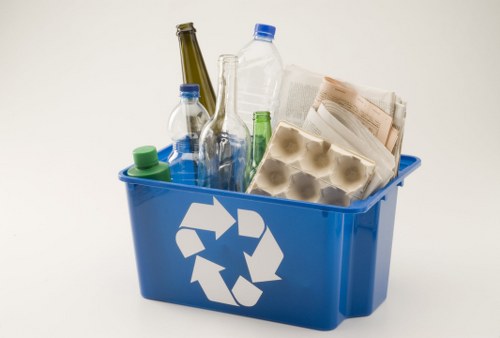 Business Waste Removal Brockley is committed to building a greener local economy by offering clear, practical solutions for an eco-friendly waste disposal area and a truly sustainable rubbish area for retailers, offices and light industry across Brockley and the wider Lewisham borough. Our approach reduces landfill, increases reuse and recycling, and helps businesses meet their environmental obligations while reducing costs. We blend local knowledge with scalable systems to make sustainable waste management practical for every business size.
Our strategy aligns with the borough’s waste separation principles: encourage source segregation for glass, paper and card, mixed plastics, metal cans and food waste where possible. By supporting Lewisham-style kerbside and business schemes we make it easier for companies to adopt consistent segregation: organics separated from dry recyclables, and proper handling of hazardous small-quantity wastes. This local compatibility ensures collected materials enter the correct recycling streams and helps increase recovery rates across the area.
 We work closely with the network of local transfer stations and depots that serve Brockley and neighbouring boroughs to keep materials moving through the correct processing routes. Our collections are scheduled to feed into these hubs efficiently, minimising double-handling and ensuring high-quality loads. Typical handling partners and processing channels include:
- Local transfer stations that consolidate small loads into full vehicle movements;
- Materials recovery facilities (MRFs) for mixed dry recycling;
- Organics processors and anaerobic digestion plants for food and green waste.
Low-carbon vans and route optimisation
To minimise our operational carbon footprint we deploy a growing fleet of low-emission vehicles, including electric vans and Euro 6 hybrid models. Route optimisation software reduces mileage and congestion time, lowering emissions and improving reliability in busy urban streets. Our low-carbon vans are maintained to maximise efficiency, and drivers are trained in eco-driving techniques that reduce fuel use and brake wear. These measures contribute directly to a lower-carbon collection model for commercial waste in Brockley.
 A measurable recycling percentage target is central to our service model: we aim to divert at least 75% of collected business waste from landfill within three years through reuse, repair, recycling and energy recovery where appropriate. We set interim targets, carry out regular waste composition audits, and report progress to customers so that sustainability claims are transparent and verifiable. Targets are split by stream so organisations can see improvements in paper, packaging, organics and WEEE streams separately.
Partnerships are how ambitious diversion rates are achieved. We work with local reuse charities, social enterprises and redistribution networks to ensure furniture, office equipment, textiles and working electronics are offered a second life. For items unsuitable for reuse we prioritise recycling routes that recover materials and feed them back into manufacturing. These alliances are fundamental to creating a genuine circular economy within the Brockley business community.
Practical steps for a sustainable rubbish area
To support businesses we offer on-site segregation planning, training and signage so that staff can correctly separate waste at source. This reduces contamination and raises recycling yields. Our teams advise on bin sizes and point-of-generation collection points to create a tidy, safe and compliant sustainable rubbish area. We can supply labelled containers for glass, food waste, cardboard, mixed recycling and general residual waste tailored to the scale and layout of each premises.
 Business-specific services include regular waste audits, bespoke reporting and a waste hierarchy review that favours avoidance, reuse and repair before recycling. We provide clear documentation to help companies demonstrate their environmental performance to stakeholders and to align with local authority waste separation expectations. By integrating our collection schedules with borough collections and transfer station windows, we keep disruption low while maximising material quality.
 We maintain formal partnerships with a range of charities and community groups to maximise reuse and social value. Typical collaborations include:
- Furniture and fit-out charities that accept office furniture and fixtures for refurbishment;
- Electronics re-use schemes that test, refurbish and redistribute working devices to local projects;
- Textile and clothing charities that recover wearable items and promote local social enterprise.
